The Nostalgia Industrial Complex
I was staring at a $200 piece of magnesium alloy shaped exactly like a 1989 Game Boy last Tuesday when it finally hit me. We aren’t just playing old games anymore. We are actively funding a massive, highly capitalized nostalgia industrial complex.
Hardware startups building retro clones are suddenly chasing billion-dollar valuations. Palmer Luckey’s ModRetro and their Chromatic handheld basically proved that people will throw infinite money at pixel-perfect nostalgia. And honestly? I’m one of those people. I spent three hours trying to calibrate a backlit IPS screen mod on an original Game Boy Advance last month before giving up, throwing my tiny screwdriver across the desk, and just buying a modern premium clone. That’s exactly how they get you. Convenience disguised as authenticity.
But a billion dollars? For companies manufacturing hardware to play games that came out when I was in elementary school? The math feels absurd until you actually look at the underlying technology.
FPGA vs. The Cheap Plastic Shells
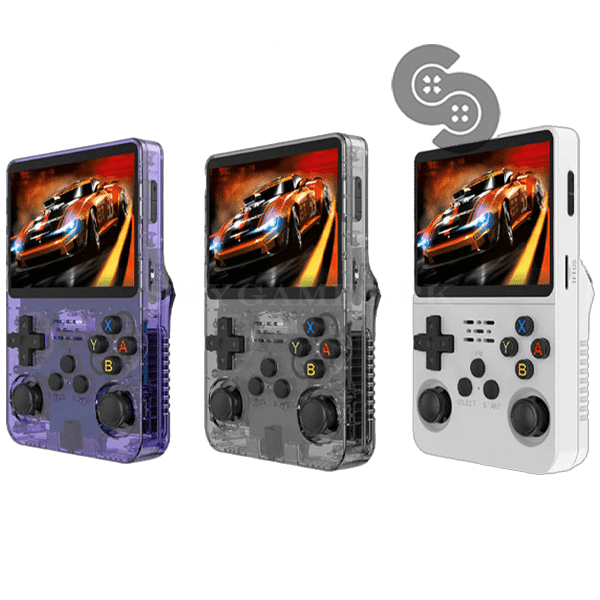
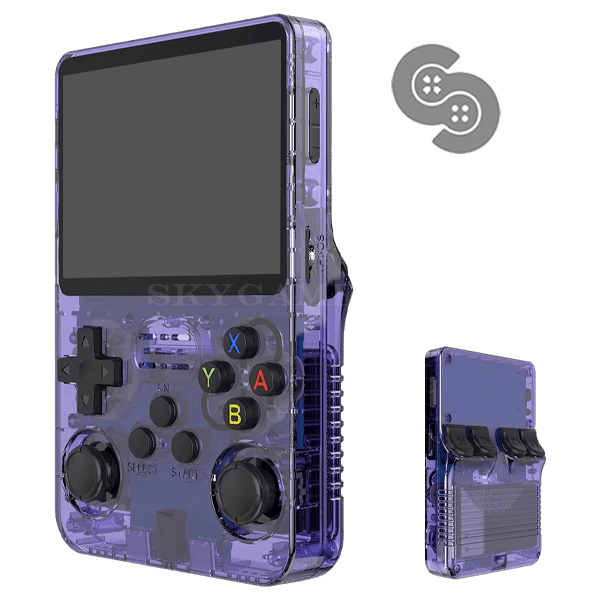
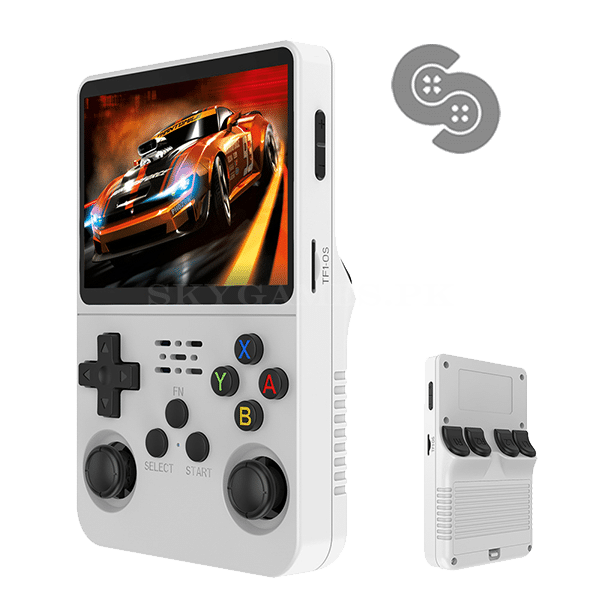
Look, there are two ways to play Tetris in 2026. You can buy a $40 plastic shell from AliExpress running some custom Linux fork. It works. You dump a ROM on an SD card, the software emulator translates the code, and the blocks fall. But it feels hollow. The audio pitch is slightly off, the screen tearing gives you a headache after twenty minutes, and the buttons feel like stepping on a stale marshmallow.
Then you have the FPGA crowd. Field-Programmable Gate Arrays. Companies like Analogue started this trend, and now the entire high-end market is obsessed with it. Instead of software pretending to be a Game Boy, an FPGA chip physically configures its own logic gates to become the original hardware at a silicon level.
I actually tested this last weekend because the endless Reddit debates were driving me insane. I used a GBxCart RW v1.4 to dump my original Pokémon Crystal save file. I loaded it onto both a cheap Anbernic RG35XX Plus and my premium FPGA handheld. Then I hooked up a basic oscilloscope to the headphone jacks to measure audio latency against physical button inputs.
The results were annoying, mostly because they proved the expensive hardware right. The software emulator had a fluctuating 94ms to 112ms delay. The FPGA hardware clocked in at exactly 3ms. That 100-millisecond gap is exactly what a billion-dollar valuation is built on. Your brain notices that lag, even if you can’t articulate why the cheap emulator feels “floaty” when you’re trying to land a frame-perfect jump in Super Mario Land.
The Premium Handheld Gotcha
But here’s the trap nobody talks about when they review these luxury retro consoles on YouTube.
The highest-end devices usually demand original cartridges. They don’t want you loading a folder full of illegally downloaded ROMs; they want the physical media to validate the premium experience. Do you know what a legitimate copy of Pokémon Emerald costs right now? I checked eBay yesterday. You’re looking at $180 for a loose, scratched cart with a dry save battery.
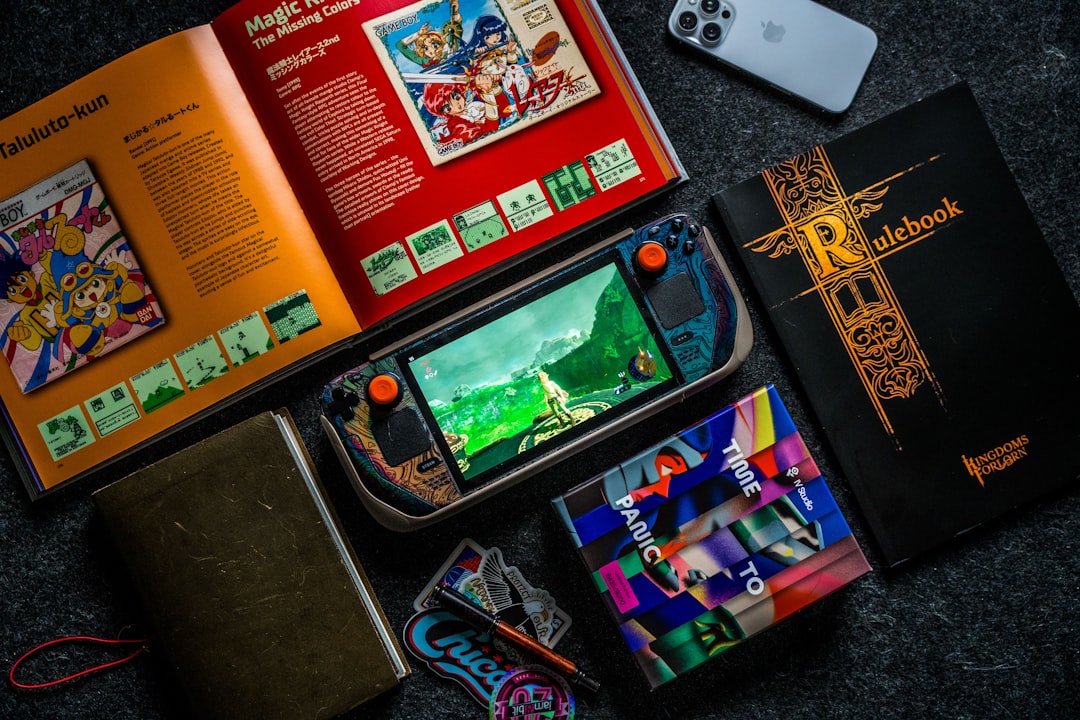
You buy a $200 handheld, and suddenly you’re trapped in a collector’s market that operates like the fine art world. I watched a guy at a retro convention last month drop $400 on a sealed copy of a game he already owns, just so he could display it next to his machined-aluminum console. The hardware is just the gateway drug. The real cost is the media.
And since the February 2026 supply chain stabilization, these hardware companies aren’t just making niche devices for nerds with soldering irons anymore. They are positioning themselves as luxury tech brands. They custom-build sapphire crystal displays to match the exact subpixel structure of a 1998 screen. They use the same metal alloys as high-end camera bodies. It’s brilliant business, but it entirely changes the vibe of retro gaming.
We went from blowing dust out of gray plastic cartridges to investing in lifestyle accessories.
Where This Actually Ends
The market is getting too crowded at the top. You can’t have five different companies selling $250 aluminum Game Boys and expect them all to hit unicorn status.
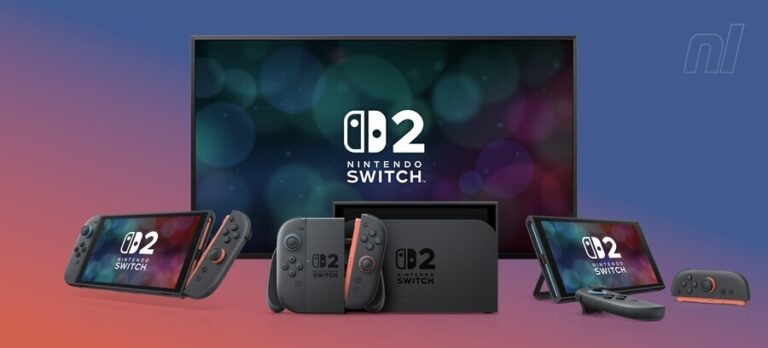
But I’ll call it right now. By Q3 2027, we’re going to see a major acquisition in this space. One of the big three console makers—probably Nintendo or Microsoft—is going to buy out an FPGA startup. Not because they want to sell more retro handhelds, but because they want to own the patent portfolio for hardware-level emulation. Imagine a Switch successor that has a dedicated FPGA chip inside just to run legacy titles with zero latency. That’s the actual billion-dollar play.
Until then, we’re stuck in this weird middle ground where playing a 30-year-old game perfectly requires the GDP of a small island nation.
Anyway, I need to go replace the CR2025 battery in my copy of Silver. The save file just wiped itself again, and I refuse to play it on an emulator.