




Introduction: The Constant Evolution of the Battle Royale Genre
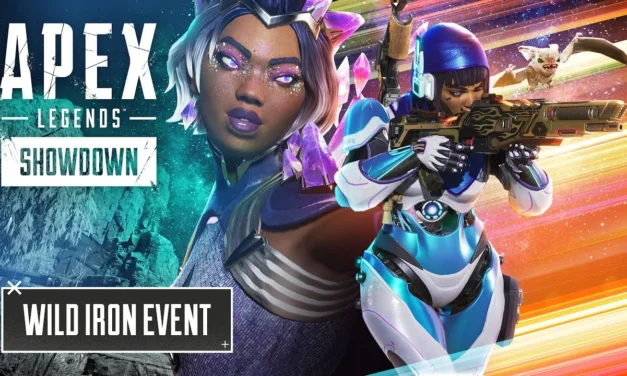
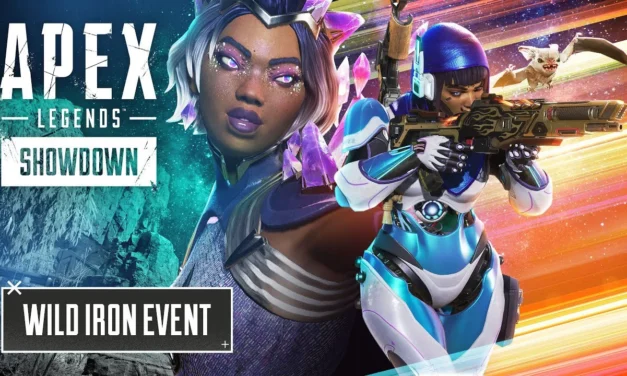
In the fast-paced world of Video Games, specifically within the high-octane realm of Battle Royale, stagnation is the enemy. Titles that fail to innovate with fresh content, meta-shifting updates, and engaging thematic events often find themselves losing player retention to the fierce competition of Call of Duty News or Fortnite News. However, Apex Legends News continues to dominate headlines by consistently reinventing its gameplay loop. The latest update to grace the Outlands introduces the “Wild Iron” event, a thematic clash that pits the cold, calculated precision of cybernetic supremacy against the untamed, raw power of nature.
This event is not merely a cosmetic overlay; it represents a fundamental shift in gameplay dynamics through the introduction of the “Wildcard” mode. As PC Gaming and Console Gaming enthusiasts dive into this new content, they are met with a chaotic blend of explosive abilities and strategic depth. Furthermore, the introduction of a new Mythic Flatline skin and critical updates to Legends like Mad Maggie and Seer suggests a deliberate effort by the developers to shake up the competitive hierarchy. This article provides a comprehensive technical breakdown of the event, the hardware implications for Gaming PCs, and the strategic ramifications for the Esports News cycle.
Section 1: The Wild Iron Event – Mechanics and Thematic Design
The Clash of Aesthetics: Cybernetics vs. Nature
The visual language of the Wild Iron event is a study in contrasts. On one side, we have the “Cybernetic Supremacy” aesthetic—sleek, metallic, and efficient. This design philosophy appeals to players who favor the futuristic military sci-fi roots of the Titanfall universe. On the other, we see the “Raw Power of Nature,” characterized by organic textures, feral motifs, and a ruggedness that speaks to the survivalist core of the Apex Games. This duality is not just for show; it permeates the loot pool and the environmental storytelling, offering a level of polish expected from top-tier AAA Games.
Deep Dive: The Wildcard Mode Mechanics
The centerpiece of this update is the Wildcard mode. In standard FPS Games, predictability is often key to mastery. However, Wildcard throws a wrench into the works by introducing “Wild Card” abilities designed to amplify chaos. Based on the current meta analysis, these abilities focus heavily on explosive potential—literally “making things go boom.”
From a Game Design perspective, this mode serves as a sandbox for testing higher “Time to Kill” (TTK) variables or Area of Effect (AoE) saturation. Players can expect modifiers that might increase grenade capacity, enhance ultimate charge rates for destructive legends, or introduce unique consumable items that alter the physics of engagement. This moves the game slightly away from a pure shooter and closer to the chaotic fun found in Hero Shooter sub-genres or even MOBA Games where ability management is paramount.
Case Study: managing Chaos in Wildcard
Consider a scenario in the final ring. In a standard Ranked match, positioning is everything. In Wildcard, with enhanced explosive abilities, a team holding a building is no longer safe. The “Wild Card” modifiers might allow a Fuse or a Bangalore to saturate an area with ordnance far beyond normal limits. This forces players to adapt their Gaming Peripherals usage—rapid mouse movements for evasion and precise mechanical keyboard inputs for movement tech become even more critical than in standard play.
Section 2: Legend Updates and Meta Analysis
Mad Maggie: The Warlord’s Resurgence
Mad Maggie has always occupied a niche spot in the meta—a “breacher” designed to flush enemies out of cover. The Wild Iron update brings significant attention to her kit. In the context of Competitive Gaming, Maggie’s utility is often measured by her ability to counter defensive legends like Gibraltar or Newcastle. Updates that enhance her “Riot Drill” or “Wrecking Ball” are direct responses to the “turtle meta” often seen in high-level play.
If the updates increase the explosive yield or the stun duration of her ultimate, Maggie transitions from a niche pick to a top-tier entry fragger. This aligns with the broader trend in Apex Legends News where aggression is being rewarded over passive play. For players, this means mastering the geometry of the map is essential; knowing exactly how deep a Riot Drill penetrates can be the difference between a squad wipe and a failed push.
Seer: Balancing Recon and Fairness
Seer has been a controversial figure since his release. In the world of FPS Games like Valorant News or Counter-Strike News, information is the most valuable currency. Seer’s ability to provide real-time wall-hacks has historically been difficult to balance. The new updates aimed at Seer in the Wild Iron event likely focus on tuning the frequency or reliability of his information gathering.
If Seer is being tuned to “blow up the scene,” this could imply a shift from passive information gathering (heartbeat sensor) to active disruption. A Seer that interrupts healing or reviving more effectively fits the explosive theme of the event. This changes the dynamic of 3v3 fights, requiring teams to carry Gaming Headsets with high-fidelity audio drivers to hear Seer’s micro-drones before the activation delay completes.
Comparative Analysis: The Recon Meta
When comparing Seer’s updates to the broader genre, we see a pattern. Overwatch News often discusses the “power creep” of abilities. By adjusting Seer alongside an explosive event, the developers are attempting to keep the gunplay as the primary focus while abilities serve as force multipliers. This is a delicate balance that Game Development teams struggle with constantly. If Seer becomes too oppressive, the community outcry—often amplified on platforms like Twitch News—can be deafening.
Section 3: The Mythic Flatline and the Economy of Cosmetics
The Mythic Tier: More Than Just a Skin
The introduction of a new Mythic Flatline skin is a major headline. In the Gaming Industry, “Mythic” or “Prestige” items represent the pinnacle of cosmetic monetization. These items usually feature evolving designs that change as the player accumulates kills or damage during a match. Technically, this requires complex scripting and asset streaming within the game engine, ensuring that the visual transformation doesn’t cause frame drops on lower-end Gaming Laptops or older consoles.
The Flatline: A Weapon of Choice
The Flatline (VK-47) is a heavy ammo assault rifle known for its high damage per bullet and unique horizontal recoil pattern. It is a staple in the loadouts of pro players. When a Mythic skin is released for a meta weapon, it inevitably sparks discussions about “pay-to-win” iron sights. In Call of Duty News and Apex Legends News, skins that offer a clearer sight picture are highly coveted.
If the new Wild Iron Mythic Flatline offers a slimmer chassis or a more open iron sight, it provides a tangible, albeit slight, competitive advantage. This drives the economy of the game, funding further Game Development and server maintenance. However, it also raises the bar for Gaming Graphics; the particle effects associated with Mythic skins (often involving plasma or cybernetic energy) demand more from Graphics Cards like the NVIDIA RTX 40-series or AMD Radeon RX 7000 series.
Investment and Value
From a consumer standpoint, these items are expensive. Players must weigh the cost against the utility. Unlike Indie Games where content is often contained in a single purchase, live-service games rely on these “Whale” items. The allure of the “Cybernetic” aesthetic combined with the “Wild Card” explosive effects makes this specific skin highly desirable for collectors and mains of the weapon.
Section 4: Hardware Implications and Performance Optimization
Visual Clutter and GPU Load
The “Wild Iron” event, with its emphasis on explosions and cybernetic particle effects, presents a specific challenge for hardware. PC Gaming enthusiasts know that “visual clutter” is the enemy of performance. When a Mythic Flatline evolves, a Seer ultimate expands, and a Maggie ball explodes simultaneously in the Wildcard mode, the GPU load spikes significantly.
To maintain a steady 144Hz or 240Hz refresh rate—standard for competitive play on modern Gaming Monitors—players may need to adjust their video settings. We recommend lowering “Effects Detail” and “Volumetric Lighting” to ensure that the new “boom” mechanics don’t result in input lag. This is particularly crucial for users on PlayStation News (PS5) and Xbox News (Series X), where dynamic resolution scaling might kick in aggressively to maintain framerates during intense Wildcard moments.
Network Performance and Input Latency
With the introduction of new mode mechanics, server stability is paramount. Cloud Gaming services and standard broadband connections will be tested by the increased tick-rate demands of complex ability interactions. In a mode where explosive timing is everything, network smoothing and prediction algorithms must be top-tier. Players utilizing Gaming Keyboards with rapid trigger switches (magnetic sensors) will have an advantage in reacting to the chaotic environment of the Wild Iron event.
The Role of Audio Engineering
With “explosive” new abilities, the soundscape of Apex Legends becomes more crowded. Identifying footsteps amidst the chaos of the Wild Iron event requires Gaming Headsets with excellent soundstaging. The developers likely utilized spatial audio mixing to ensure that the “boom” of the new abilities doesn’t completely drown out critical audio cues like shield cracks or revive sounds. This is a common challenge discussed in Game Design circles, specifically regarding audio occlusion and dynamic range compression.
Section 5: The Broader Gaming Ecosystem and Future Implications
Comparison with Other Genres
The evolution of Apex Legends through events like Wild Iron mirrors trends across the industry. Just as League of Legends News or Dota 2 News highlight the importance of shaking up the champion meta to keep the game fresh, Apex uses these collection events to soft-reset the game’s pacing. Even MMORPG News outlets discuss the importance of “transmog” and fashion, which parallels the hype surrounding the Mythic Flatline.
Conversely, simpler titles covered in Minecraft News or Retro Gaming circles rely on static mechanics. The complexity of the Wild Iron event highlights the divergence of modern AAA live-service games, where the game you play today is vastly different from the one you played at launch. This constant iteration is powered by engines like Unreal Engine News and modified Source engines (which Apex uses), pushing the boundaries of what multiplayer servers can handle.
The Mobile and Cross-Platform Factor
While this article focuses on the core PC/Console experience, the ripples are felt in Mobile Gaming as well. Design philosophies from successful main-game events often trickle down to mobile adaptations. Furthermore, the cross-progression nature of modern gaming means that unlocking the Mythic Flatline on a Gaming PC allows you to flaunt it on a console, unifying the Gaming Community across platforms.
Conclusion: Is the Wild Iron Event Worth Your Time?
The Wild Iron event represents a robust content injection into the Apex Legends ecosystem. By juxtaposing the themes of cybernetic supremacy and natural power, Respawn Entertainment has created a visually distinct and mechanically engaging experience. The “Wildcard” mode offers a break from the sweat-inducing grind of Ranked Leagues, providing a playground for explosive fun that leverages the game’s physics engine in new ways.
For the competitive player, the updates to Mad Maggie and Seer are the true headlines. These changes have the potential to shift the meta away from defensive posturing toward aggressive, breach-and-clear tactics. Meanwhile, the Mythic Flatline stands as a testament to the high-quality art direction the team is capable of, even if it comes at a premium price point.
Ultimately, whether you are a casual player enjoying the chaos on a console or a dedicated grinder optimizing your Gaming Mouse settings for the new recoil patterns, the Wild Iron event offers something substantial. It reinforces the notion that in the world of Battle Royale, adaptability is the only true skill. As the scene blows up with these new changes, the players who can navigate the smoke and fire of the Wild Iron event will be the ones left standing as Champions.