

Checking the GPU Market Wasn’t My Brightest Idea
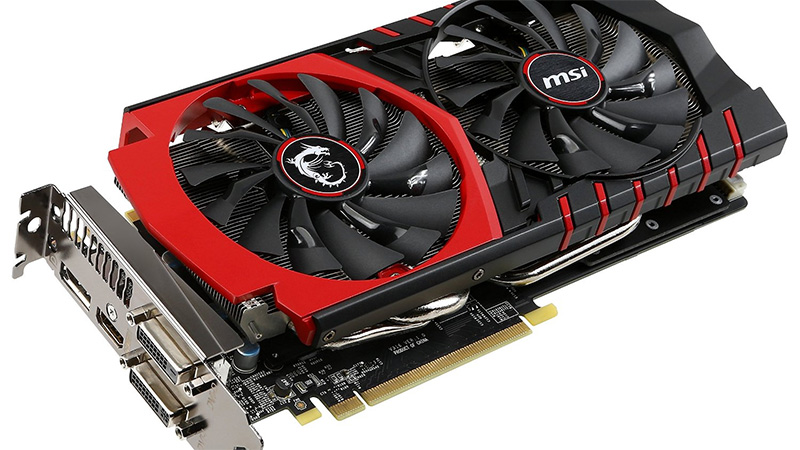
If you’ve been trying to build a mid-range gaming PC in the last three months, you already know the pain. It’s not just the prices—though, seriously, $600 for a “60-class” card is criminal—it’s the sheer lack of options. I spent yesterday evening trawling through Newegg and Micro Center listings, trying to put together a build list for a friend who just wants to play Grand Theft Auto VI at 1080p without his rig catching fire. The pickings? Slim. Expensive. Depressing.
Well, that’s not entirely accurate — we used to worry about crypto miners buying up all the stock. Remember that? Those were the “good old days” compared to what we’re seeing now in early 2026. Now, we aren’t losing cards to miners. We’re losing the actual silicon to chatbots.
The recent confirmation that Intel has effectively gutted its mid-range gaming roadmap — specifically that B-series tier we were all pinning our hopes on — is just the final nail in the coffin. It’s not surprising, but it hurts. The reason isn’t a failure of engineering. It’s simple, brutal math.
The $400 vs. $40,000 Problem
Here is the reality that GPU manufacturers won’t say out loud in their “Gamer First” marketing slides: Gaming is now a side hustle.
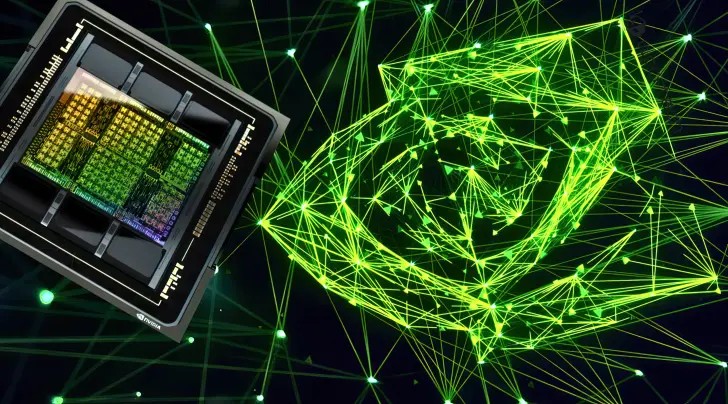
I was looking at the wafer allocation numbers for TSMC’s N3E node last week. It’s a bloodbath. Every square millimeter of cutting-edge silicon is being fought over, and gaming graphics cards are at the bottom of the food chain. Why? Because if Intel, Nvidia, or AMD has a choice between printing a gaming die they can sell to you for $400, or using that same wafer capacity to print an AI accelerator or NPU that hyperscalers will buy for $40,000 without blinking, they are going to choose the AI chip. Every. Single. Time.
We saw this coming. And when the “Battlemage” rumors started shifting from “release date” to “cancellation” late last year, the writing was on the wall. The specific SKU that got axed — let’s call it the B770 for argument’s sake — was supposed to be the savior of the sub-$400 market. It didn’t die because it was bad. It died because the silicon it lived on was more valuable as part of a datacenter cluster.
My Experience with the “AI Tax”
I recently tested a budget setup using one of the few remaining entry-level cards from the 2025 refresh. And the performance per dollar has actually regressed compared to 2023. I fired up S.T.A.L.K.E.R. 2 (patched to version 1.5) and struggled to maintain 60 FPS on Medium settings without leaning heavily on upscaling.
This is the new normal. The hardware hardware isn’t getting faster at the rate it used to because the R&D budget is going toward Tensor cores and FP8 performance for AI training, not rasterization performance for your games. We are paying an “AI Tax” on every card: paying for silicon area dedicated to AI features we might not even use, while raw rendering power stagnates.
The Death of the Mid-Range
But, hey, what do we actually have right now? Let’s take a look:
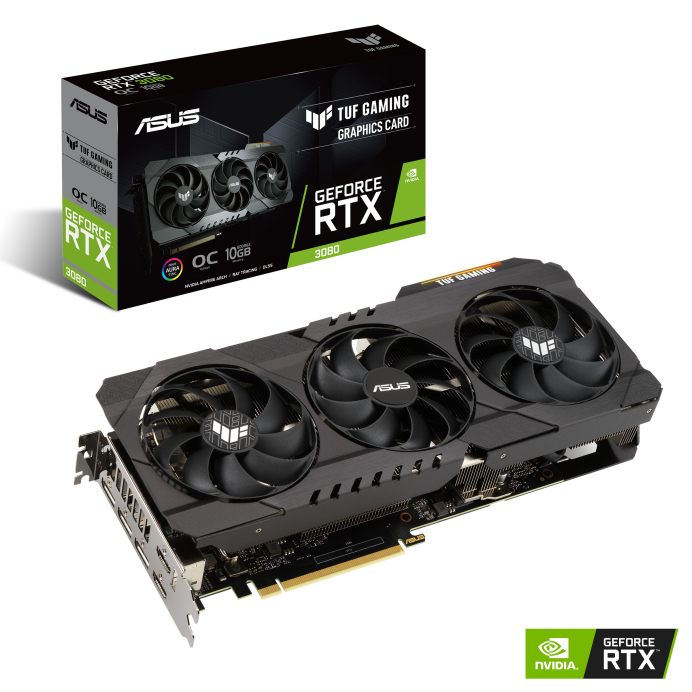
- Nvidia: Focusing almost entirely on the high-end. The 50-series launch was technically impressive, but the pricing structure clearly shows they don’t want to sell high volumes of cheap cards. They want to sell massive margins on the top tier.
- AMD: They’re trying, bless them. But even Team Red is pivoting. Their latest architecture briefings are 80% about ROCm software stacks and AI workloads, and maybe 20% about FSR.
- Intel: The third player we needed. The player that was supposed to keep prices honest. And they just folded their best hand because the datacenter division needed the resources.
I’m frustrated. I really am. And I remember arguing with people in 2024 who said, “Just wait for Battlemage, it’ll fix the market.” Well, it’s 2026. The market isn’t fixed; it’s abandoned.
Upscaling is a Crutch, Not a Feature
Since raw silicon is being diverted, manufacturers are using software to fill the gap. And I’ve noticed a disturbing trend in the last three AAA titles I reviewed: they don’t just support upscaling; they require it. The “Native” resolution is dead.
Developers know that the mid-range GPU hardware hasn’t jumped in power significantly, so they optimize for DLSS or XeSS or FSR. If you turn those off, the game runs like a slideshow. We aren’t getting faster hardware; we’re just getting better at faking resolution. And with the cancellation of promising mid-range silicon, this reliance on AI upscaling is only going to get worse. We are being trained to accept 720p internal resolutions upscaled to 1440p as “standard.”
Where Do We Go from Here?
If you’re sitting on an RTX 3080 or a Radeon 6800 XT, hold onto it. Seriously. Don’t sell it. The performance leap you get by upgrading today isn’t worth the astronomical cost, especially now that the budget-friendly competition has evaporated.
And I suspect that by 2027, the concept of a “discrete gaming GPU” under $500 will basically vanish. We’re heading toward a bifurcated market: ultra-expensive enthusiast cards for the whales, and APUs (integrated graphics) for everyone else. The middle ground — the sweet spot where PC gaming thrived for two decades — is being hollowed out to make room for ChatGPT’s servers.
It sucks. But until the AI bubble bursts or fabrication capacity doubles (unlikely before 2028), we are second-class citizens in the silicon world. The death of Intel’s gaming ambitions isn’t just about one company; it’s a signal that the industry has moved on.