

Introduction
In the rapidly evolving landscape of Gaming Tech, few subjects bridge the gap between Gaming History and modern innovation quite like Game Emulation. At its core, emulation is the practice of simulating the hardware of one computer system (the host) onto another (the guest). While often associated with playing Retro Gaming titles on modern hardware, the technology underpinning emulation is a sophisticated feat of software engineering that touches upon hardware virtualization, instruction set translation, and digital preservation.
For the Gaming Community, emulation is not merely about nostalgia; it is a critical tool for accessibility and preservation. As physical consoles degrade and Gaming Hardware becomes obsolete, the software that defined generations of culture risks disappearing. From the early days of 8-bit classics to the complex architectures of the PlayStation 3 and Nintendo Switch, emulation ensures that the library of human creativity remains accessible. This article explores the technical intricacies of how software mimics silicon, the rise of FPGA technology, and the profound impact emulation has on PC Gaming, Game Development, and the broader industry.
The Technical Architecture of Emulation: Software-Defined Hardware
To understand emulation, one must understand the challenge of translating machine code across different architectures. A Gaming PC running an Intel or AMD x86 processor speaks a fundamentally different language than the custom PowerPC architecture of a console or the ARM-based chips found in Mobile Gaming devices. Emulators act as a dynamic translator, bridging this divide in real-time.
High-Level Emulation (HLE) vs. Low-Level Emulation (LLE)
In the world of emulator development, there is a constant tug-of-war between accuracy and performance. This is defined by the approach taken: High-Level Emulation (HLE) or Low-Level Emulation (LLE).
Low-Level Emulation (LLE) attempts to simulate the hardware signals and registers of the original console as accurately as possible. It mimics the behavior of the CPU, GPU, and sound chips cycle-by-cycle. While this results in perfect compatibility and preservation, it requires an immense amount of processing power. For example, accurate LLE of the Super Nintendo often requires a CPU vastly more powerful than the original console, simply to synchronize the timing of the simulated components.
High-Level Emulation (HLE), conversely, takes a broader approach. Instead of simulating the hardware that processes a command, HLE simulates the command itself. If a game sends a request to draw a polygon, an HLE emulator intercepts that call and translates it directly into a command the host’s Graphics Cards (like an NVIDIA RTX or AMD Radeon) can understand. This is how emulators for more recent systems, often discussed in Nintendo News or PlayStation News, achieve playable framerates on consumer hardware.
Dynamic Recompilation (JIT)
The secret weapon of modern emulation is the Just-In-Time (JIT) compiler. In a traditional interpretation model, the emulator reads a console instruction, decodes it, and executes a corresponding function on the PC. This is slow. JIT compilers take blocks of code from the game, recompile them into the host machine’s native machine code, and store them in a cache. When that code block is needed again, the emulator runs the pre-compiled native code, resulting in massive speed gains. This technology is vital for running complex AAA Games via emulation.
The Hardware Frontier: FPGA and the Move Beyond Software
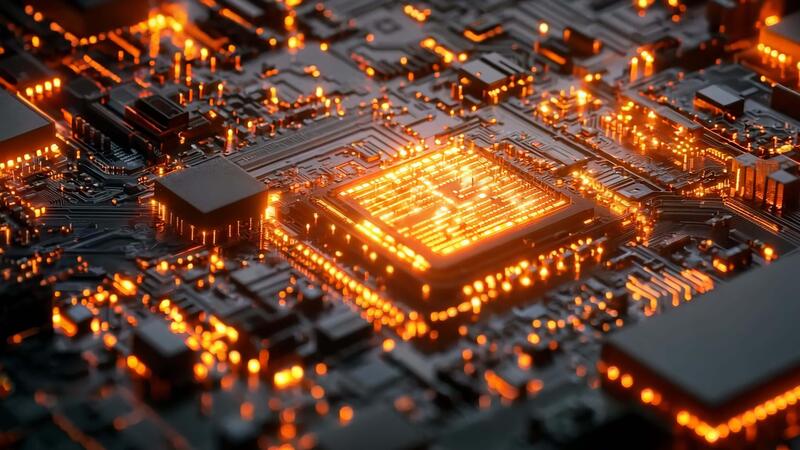
While software emulation interprets code, a new frontier has emerged that seeks to replicate the hardware itself at a circuit level. This is the domain of Field-Programmable Gate Arrays (FPGAs). In recent Gaming News, devices like the MiSTer FPGA and Analogue Pocket have revolutionized how enthusiasts experience classic titles.
Simulating the Silicon
An FPGA is a chip that can be programmed to physically restructure its internal logic gates. Unlike a standard CPU which runs software to mimic a console, an FPGA becomes the console. Developers write “cores” that describe the hardware logic of the original machine. When you load a Genesis core onto an FPGA, the chip configures itself to behave exactly like the Motorola 68000 and Z80 chips found in the original hardware.
Latency and Authenticity
The primary advantage of FPGA over software emulation is latency. Software emulators introduce input lag due to the layers of abstraction (OS, API, Emulator, Game). In fast-paced FPS Games like Doom or competitive Fighting Games, this millisecond delay can be noticeable. FPGA technology offers zero-lag gameplay, synchronizing perfectly with Gaming Monitors or even traditional CRT displays. This accuracy is why many in the Retro Gaming community argue that FPGA is the true future of preservation, offering an experience indistinguishable from the original hardware without the reliance on aging capacitors and rotting motherboards.
Enhancing the Experience: Mods, Upscaling, and VR
One of the most compelling arguments for emulation on Gaming Laptops and PCs is the ability to enhance games beyond their original scope. Once a game is running in a virtual environment, the constraints of the original hardware no longer apply.
Texture Replacement and Ray Tracing
Through Game Mods, the community has remastered classics. Emulators allow for the injection of high-resolution textures, replacing blurry 240p assets with crisp 4K artwork. Furthermore, tools like “RTX Remix” are beginning to allow users to inject path tracing lighting into older titles, fundamentally changing the atmosphere of RPG Games and action titles from the early 2000s.
VR and AR Integration
VR Gaming and AR Gaming are also intersecting with emulation. Specialized forks of emulators like Dolphin (GameCube/Wii) allow users to play classic titles in a virtual reality environment, turning a flat screen experience into an immersive 3D world. This requires substantial power from Gaming PCs, but it offers a glimpse into how legacy content can be repurposed for future platforms.
The Ecosystem: From Mobile to Cloud
Emulation is not restricted to high-end desktops. The ubiquity of powerful mobile processors has turned smartphones into potent retro consoles.
Mobile Gaming and Portability
Modern Android devices, powered by Snapdragon or Dimensity chips, are capable of emulating systems as complex as the PlayStation 2 and Nintendo GameCube. This has led to a surge in Gaming Peripherals designed for phones, such as telescoping Game Controllers that clamp onto the device, turning it into a handheld similar to a Switch or Steam Deck. This portability ensures that Indie Games and retro classics are playable anywhere, decoupling the software from the living room TV.
Cloud Gaming and Virtualization
Cloud Gaming services often utilize virtualization technologies similar to emulation. When streaming a game via Xbox Cloud Gaming or GeForce Now, the user is essentially interacting with a virtual machine running on a server farm. This technology is vital for preserving access to MMORPG News and live-service games. If a server for a game like World of Warcraft or an older Call of Duty title shuts down, server emulation projects (often built by the community) are the only way to keep these digital worlds alive.
Legal and Ethical Considerations in the Industry
No discussion on emulation is complete without addressing the legal grey areas. While emulation software itself is legal (as established in Sony Computer Entertainment America v. Bleem!), the distribution of copyrighted ROMs and ISOs remains illegal.
The Industry Stance
Major publishers have a complicated relationship with emulation. Nintendo News frequently covers the company’s aggressive stance against unauthorized emulation and ROM sites. However, these same companies often use open-source emulators internally to sell their back catalog on modern stores. For instance, the “Classic” mini consoles released by Sony and Nintendo run on ARM-based chips using software emulation very similar to what is available to the public.
Preservation vs. Piracy
For organizations like the Video Game History Foundation, emulation is a necessity. Without it, the history of Video Games would rot away. Digital Rights Management (DRM) and server shutdowns threaten the longevity of even modern titles. Steam News often highlights games being delisted due to licensing issues; in these cases, emulation and preservation archives become the only record that the game ever existed.
Best Practices for the Emulation Enthusiast
For those looking to dive into this technical hobby, there are several best practices to ensure a stable and legal experience.
Hardware Requirements
While 8-bit and 16-bit emulation runs on almost anything, emulating modern systems like the PS3 or Switch requires significant hardware.
- CPU: Single-core performance is king. Intel Core i7/i9 or AMD Ryzen 7/9 processors with high clock speeds are essential for systems using AVX-512 instruction sets.
- GPU: While emulation is CPU-heavy, upscaling to 4K requires powerful Graphics Cards. An NVIDIA RTX 3060 or higher is recommended for high-fidelity emulation.
- Peripherals: To get the authentic feel, investing in high-quality Gaming Headsets, mechanical Gaming Keyboards, and low-latency Gaming Mice is crucial. For simulation titles, Racing Wheels and Flight Sticks can often be mapped to emulators to replicate arcade cabinets.
Software Setup
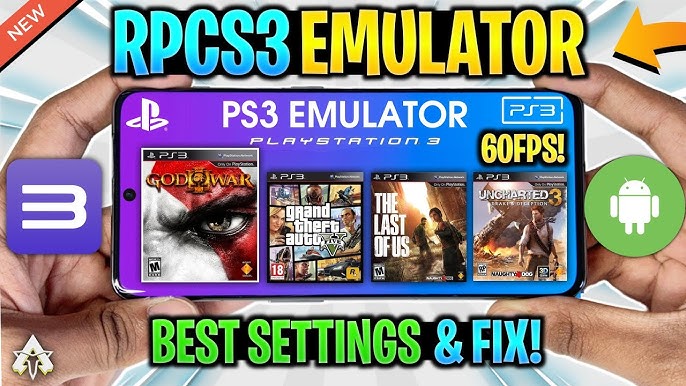
Always download emulators from their official websites to avoid malware. Popular open-source projects include Dolphin (GameCube/Wii), PCSX2 (PS2), and RPCS3 (PS3). Keep your Graphics Cards drivers updated, as emulators often utilize the latest Vulkan or OpenGL API features to improve performance.
Conclusion
Game emulation is far more than a way to play Mario on a computer; it is a complex intersection of software engineering, hardware virtualization, and digital heritage. It challenges the notion that software is inextricably tied to the physical silicon it was born on. As we move forward, the lines between PC Gaming, Console Gaming, and mobile experiences will continue to blur, driven by the technologies pioneered in emulation.
Whether you are following the latest Valorant News, grinding rank in League of Legends, or revisiting the golden age of RPG Games, emulation plays a silent but pivotal role in the ecosystem. It ensures that the Gaming Industry respects its past while innovating for the future. As hardware continues to evolve, the “digital infection” of emulation—spreading the ability to play any game, anywhere, on any device—will only become more potent, safeguarding our shared digital culture for generations to come.